
Working Principle
The fresh air handling unit draws in fresh air from outdoors, processes it through dust removal, dehumidification (or humidification), and cooling (or heating), and then delivers it indoors via a fan, replacing the existing indoor air to ensure indoor air quality.
Core Components
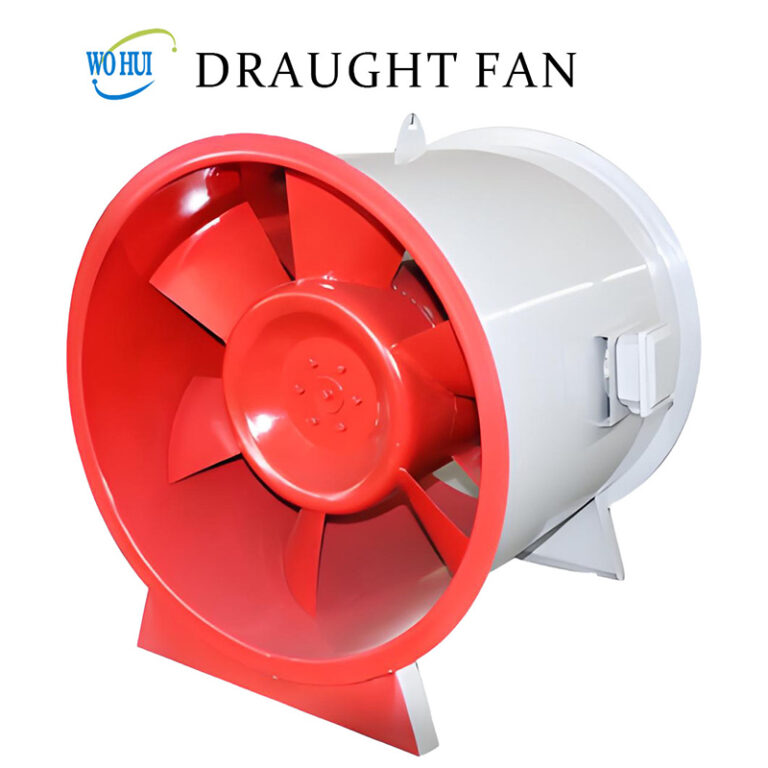
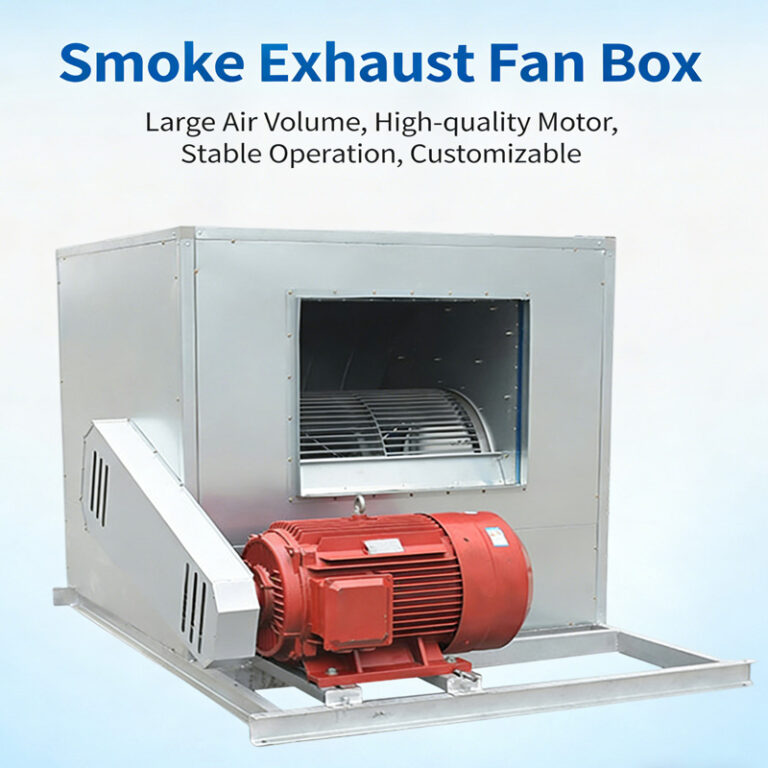
- Fan: Drives airflow; divided into supply and exhaust fans, generally centrifugal fans are used.
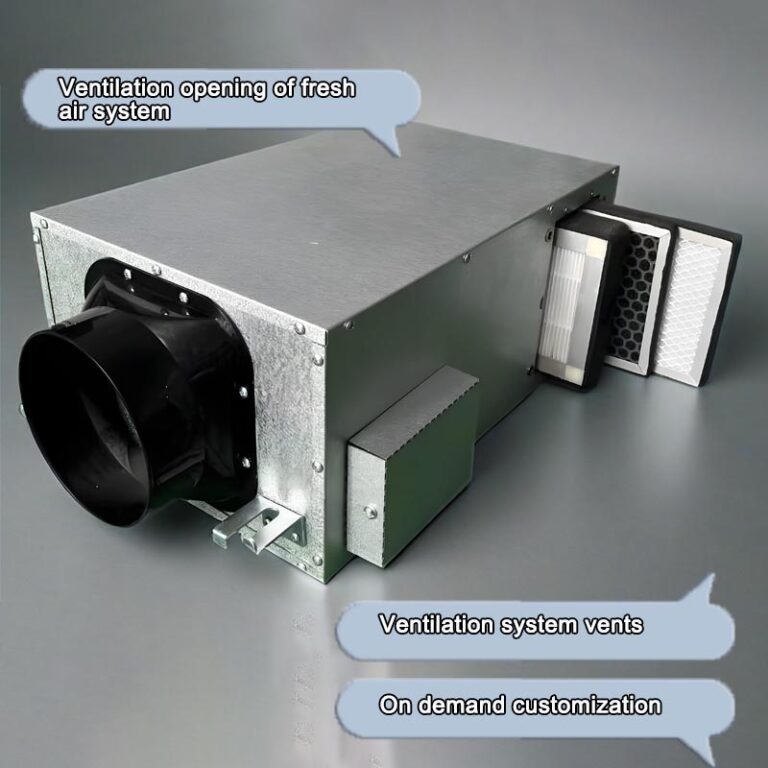
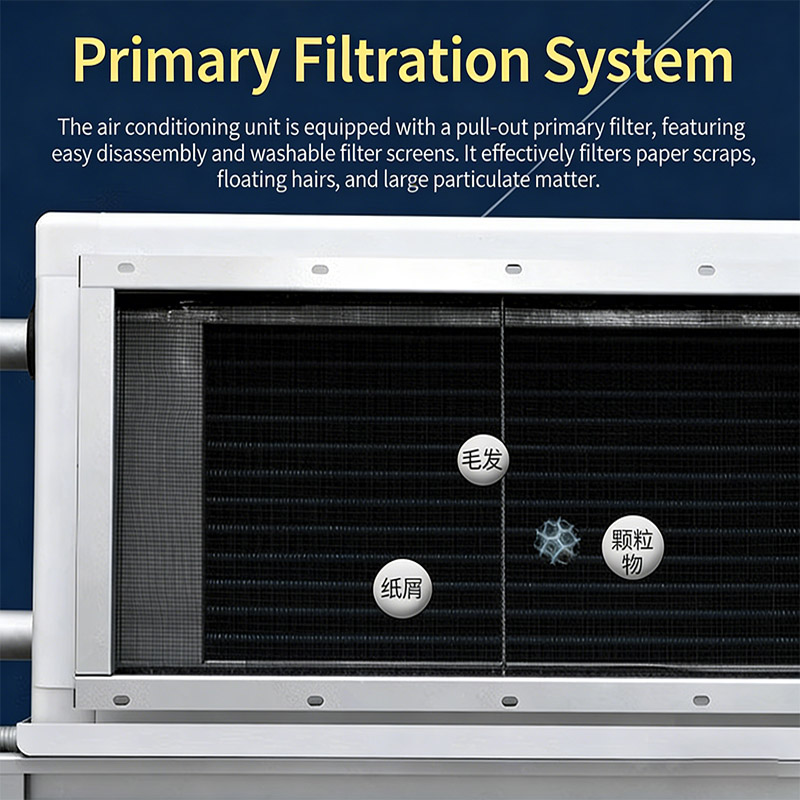
- Filter: Includes pre-filters, medium-efficiency filters, and high-efficiency particulate air (HEPA) filters, which can intercept pollutants such as dust, hair, PM2.5, pollen, and bacteria, forming a multi-stage filtration system.
- Heat Exchanger: The core component for energy recovery; there are two types: sensible heat recovery and total heat recovery. Sensible heat recovery only exchanges temperature, while total heat recovery can exchange both temperature and humidity simultaneously.
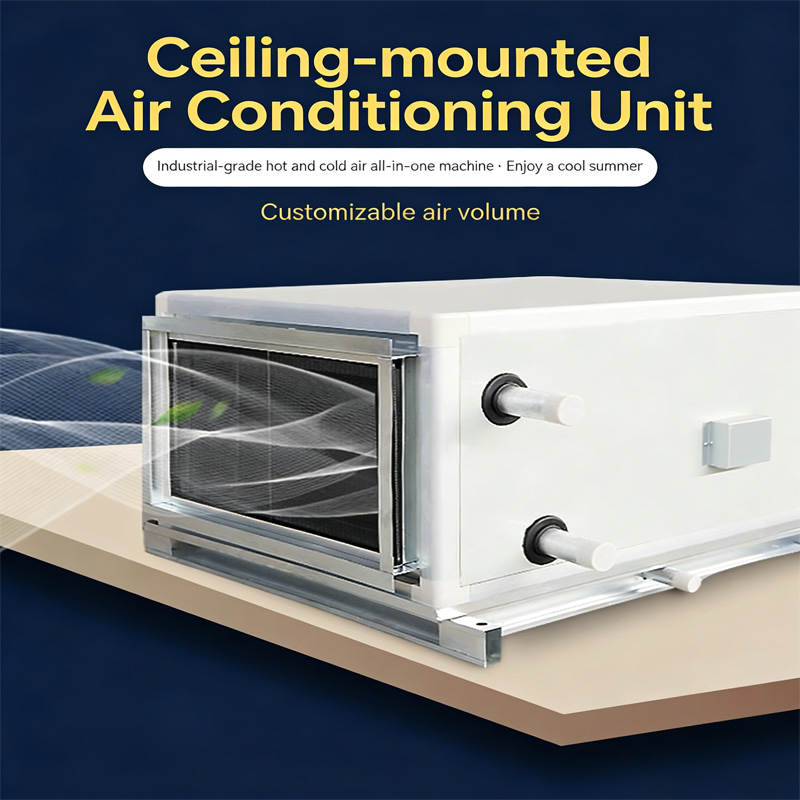
- Temperature and Humidity Control Components: Such as heating/cooling coils, humidifiers, etc., which can heat, cool, and humidify the fresh air to meet indoor temperature and humidity requirements.
Main Functions
- Temperature Control: The supply air temperature is controlled by adjusting the water flow rate in the cold or hot coils and the steam flow rate in the steam coil. This can be divided into supply air temperature control and indoor temperature control.
- Humidity Control: Depending on the humidification source and control method, methods such as steam humidification, high-pressure spray, ultrasonic humidification, electric humidification, and circulating water spray humidification can be used. Precise control is achieved through corresponding control methods and humidity sensor settings.
- Air Quality Control: The fresh air volume is adjusted by measuring the indoor CO₂ concentration to ensure basic indoor air quality. A sterilization section, such as ultraviolet lamp sterilization, can also be equipped to further purify the air.
- Control Methods: Fresh air unit control includes supply air temperature control, supply air relative humidity control, anti-freeze control, CO₂ concentration control, and various interlocking mechanisms. If the fresh air unit is to handle indoor load, indoor temperature or indoor relative humidity must also be controlled.
- Selection Considerations: Select the type of fresh air unit based on the installation setup.
Selection Considerations
Select the type of fresh air handling unit based on the installation setup.
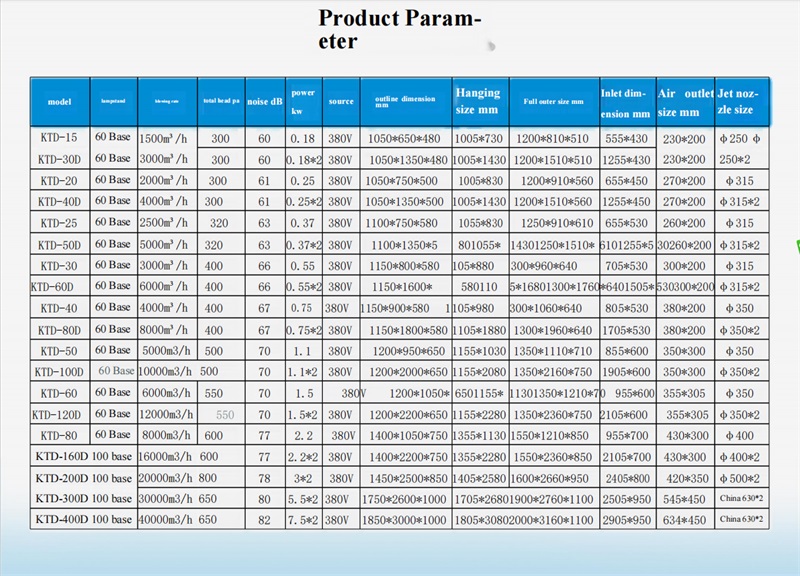
The selected air volume and air pressure should not be less than the design values.
Determine the design conditions for cooling and heating capacity.
In principle, one fresh air handling unit should only be responsible for the fresh air volume required for one floor.